


 Close
Networking Reception for Members of the Consortium for Global Japanese Studies and the Nichibunken-AMU-UW EAJS Pre-Symposium in Poznań (August 26, 2026)
On August 26, 2026—one day before the start of the 18th International Conference of the European Association for Japanese Studies (EAJS) in Poznań, Poland—Nichibunken hosted two events: a Networking Reception for Members of the Consortium for Global Japanese Studies, and the EAJS Pre-Symposium, co-organized with Adam Mickiewicz University (AMU) and the University of Warsaw. Both events were held at the Collegium Heliodori Święcicki on AMU campus, a historic building that hosted the General National Exhibition (Powszechna Wystawa Krajowa) from May to September 1929, and is now used by the university. AMU’s Japanese Studies program also has its research offices in the building.
The Networking Reception for Members of Consortium for Global Japanese Studies Members began at 11:30 a.m., and was the first event for members of the Consortium for Global Japanese Studies that Nichibunken had held in Europe. Many researchers, graduate students, and representatives from the Japan Foundation and other organizations gathered to share news and information regarding their research and activities, and to deepen their connections with one another.
The EAJS Pre-Symposium followed the Reception. It was co-organized by Nichibunken, Adam Mickiewicz University (AMU), and the University of Warsaw, with the support of both the Consortium and the EAJS itself, and was attended by the outgoing President of the EAJS, Professor Andreas Niehaus (Ghent University). Professor Beata Bochorodycz, incoming EAJS President and Chair of the Local Organizing Committee, Professor Rafał Witkowski, Rector of AMU, and Professor Manami Yasui of Nichibunken delivered the Opening Remarks, with each of them expressing their hopes for a fruitful academic exchange.
The overall theme of the pre-symposium was “Sparking Global Japanese Studies: Bodies, Limits, and Linguistic Boundaries.” To kick off the symposium, Professor Shoji Yamada (Nichibunken) delivered a thought-provoking keynote lecture that explored whether AI can generate new knowledge, drawing on the NichibunkenYōkai Database and yōkai picture scrolls.
Following this, the participants split into three panels sessions which examined “Bodies, Health, Politics,” the “Limits of Japanese Democracy,” and “Categorizing Japonic Linguistics,” respectively. Each of the three panels was popular, drawing so many attendees that each of the seminar rooms in which the panels were held was standing room only. At the end of the day, all of the pre-symposium participants once again gathered to share the outcomes of their discussions, and bring a meaningful symposium to a close.
Reported by Manami Yasui
-
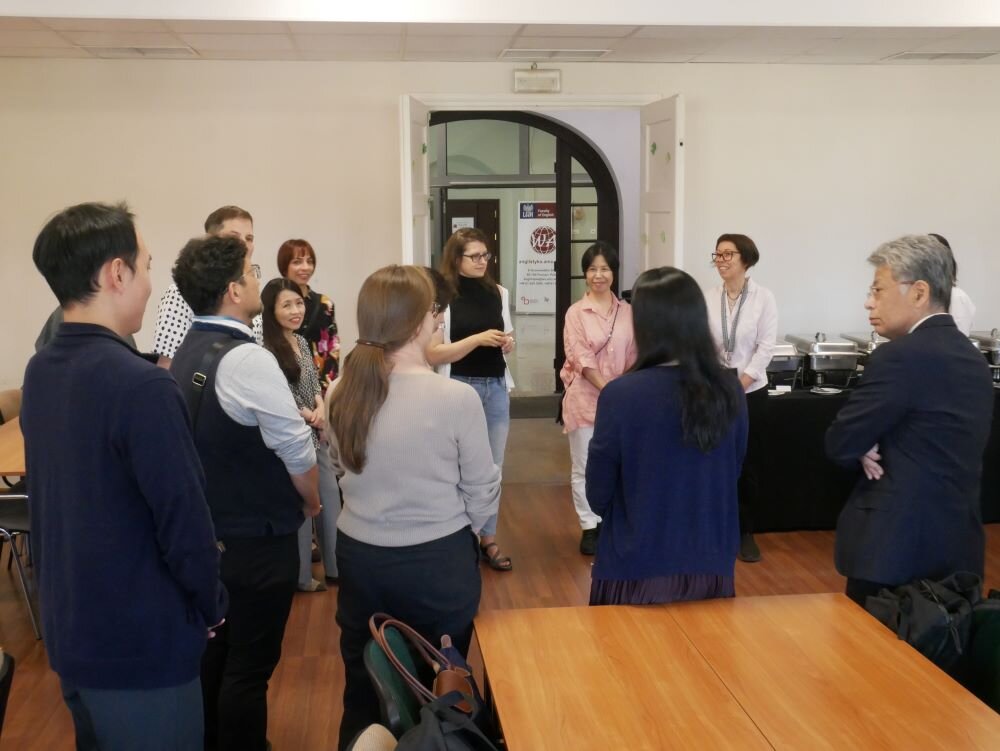 Networking Reception
-
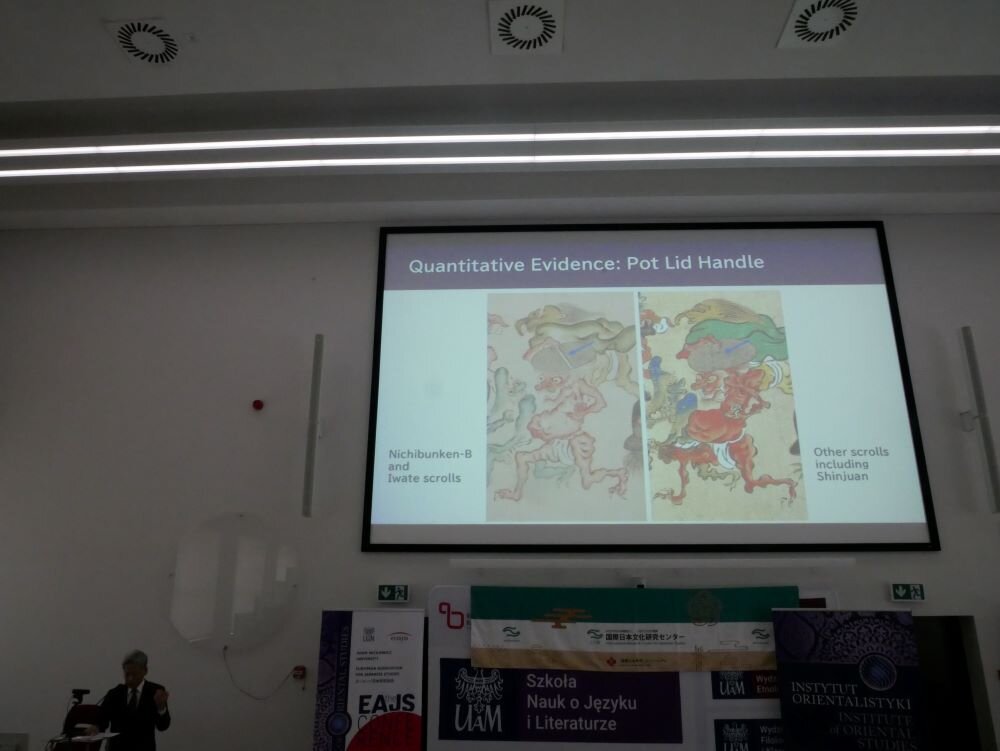 Keynote Speech by Professor Yamada
-
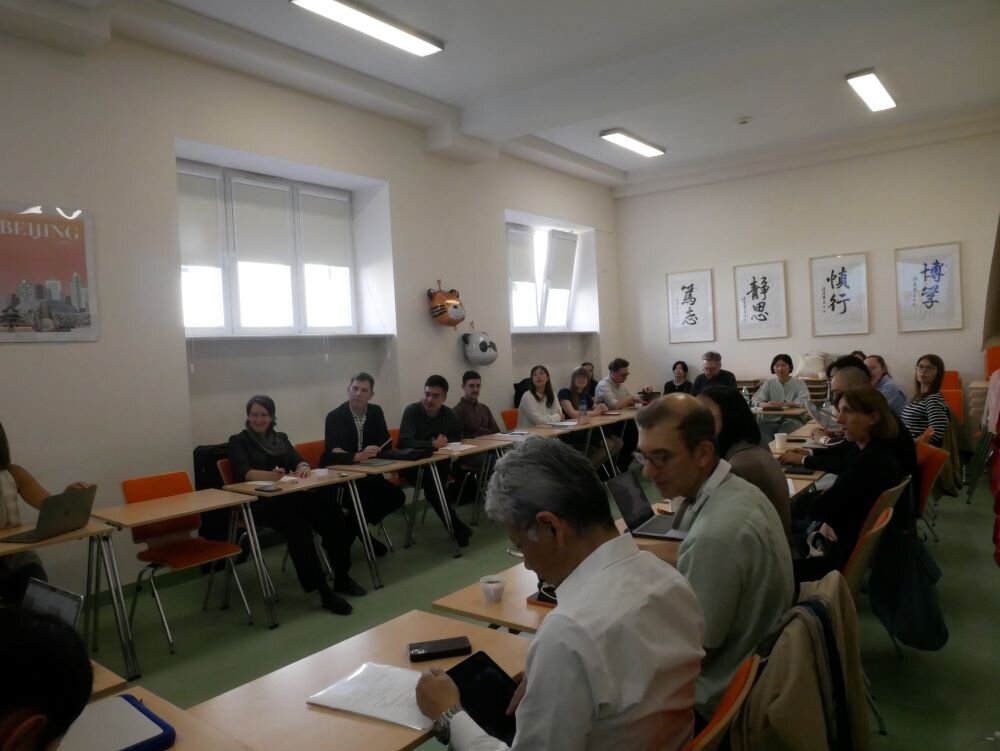 Panel Discussion
-
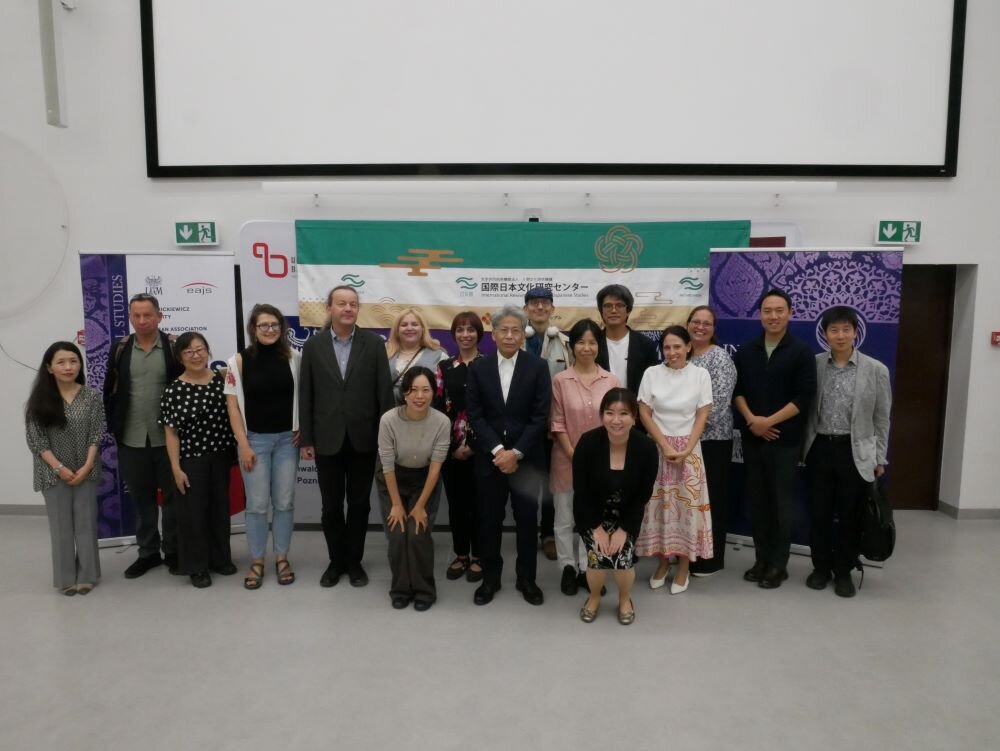 Pre-Symposium Speakers
 機関拠点型基幹研究プロジェクト

 Page Top